Dark Patches on Face: Best Treatments to Fade Them

Written by aesthetic content writer Catherine. Reviewed by Medical Director Dr. Sabrina Shah-Desai
Published on: December 30, 2025
Treatment

Dark Patches on Face

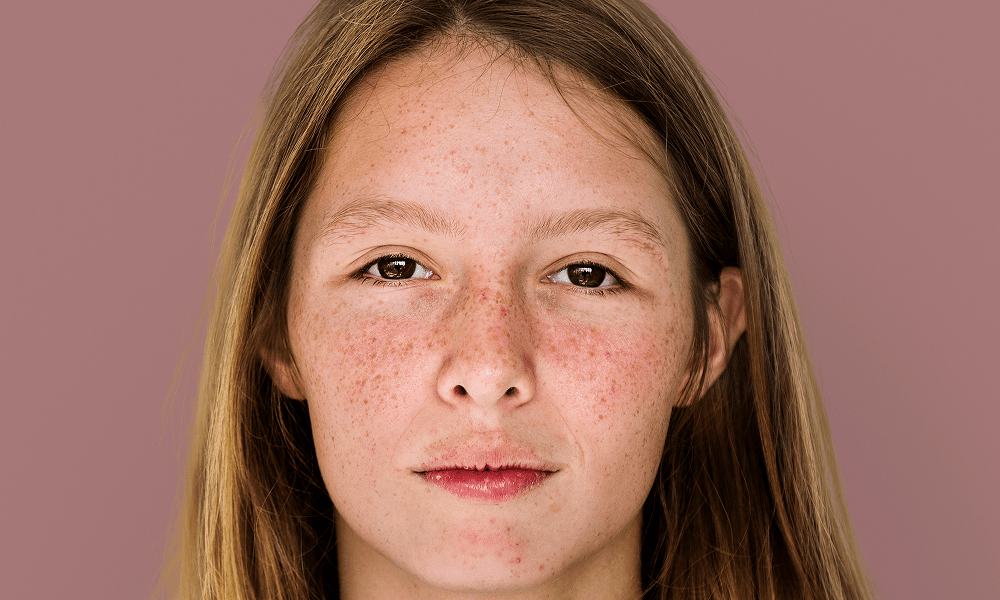
Ever stare in the mirror and spot those stubborn dark patches on your face that just won't fade, no matter how many creams you try? You're not imagining it; those uneven brown spots can sneak up after years of sun exposure, acne flare-ups, or hormonal shifts, leaving your skin looking tired and blotchy. 

If you've been searching for the best treatment for dark spots on the face or ways to remove brown spots on the face, this guide dives deep into what really works, straight from dermatologist insights. We'll focus heavily on the treatments themselves, breaking down how they tackle pigmentation spots, hyperpigmentation spots, and pigmentation spots on face with real expectations and step-by-step details.​

What Causes Dark Patches on the Face?

  • Excess melanin production: Dark patches result from overproduction of melanin, the pigment responsible for skin colour.​
  • Sun exposure: Prolonged UV exposure triggers melanin as the skin’s defence, causing sunspots or age spots on exposed areas like the face.​
  • Skin inflammation: Conditions like acne, eczema, or injury cause post-inflammatory hyperpigmentation, where healing skin produces extra pigment, especially common in darker skin tones.​
  • Hormonal changes: Pregnancy, birth control, or hormone fluctuations cause melasma, characterised by patchy dark areas commonly on the cheeks and forehead.​
  • Ageing: Natural skin ageing and sun damage accumulate, leading to uneven pigmentation and dark spots.​
  • Skin irritation: Prolonged irritation from cosmetics, hair products, or harsh treatments can increase pigmentation patches.​
  • Medication side effects: Some drugs, including certain anti-inflammatories or chemotherapy, may cause hyperpigmentation.​
  • Genetic predisposition: Some individuals are more prone to pigmentation due to inherent melanocyte activity or skin type.​
  • Nutritional deficiencies: Lack of vitamins like C and folic acid can contribute to pigmentation issues.​

These factors cause melanin to accumulate unevenly, resulting in visible dark patches or pigmentation spots on the face. Avoiding triggers like sun exposure and irritation, alongside targeted treatments, can help manage these patches effectively.

Why Do Brown Spots Keep Coming Back?

You might get rid of brown spots on your face once, but without changes, they return. The sun is enemy number one; even indoor UV through windows rebuilds pigment. Skipping moisturiser dries skin, slowing cell turnover. 

Harsh scrubs inflame, worsening hyperpigmentation spots. Ageing slows renewal, letting spots linger. To break the cycle, layer prevention with treatment, daily SPF 30+, gentle cleansing, and antioxidants like vitamin C.​

Best Topical Treatments for Dark Patches

Here is an expanded explanation of treatments for dark patches on face:

1. Topical Treatments:

    • Hydroquinone creams are dermatologists' preferred option for lightening dark spots by inhibiting melanin production. Typically used at 2-5% concentrations over 3-12 months under professional guidance.
    • Retinoids (such as tretinoin) speed up skin cell turnover, encouraging fading of pigmentation and promoting skin renewal. They can cause dryness and sun sensitivity initially, so sunscreen is essential.
    • Other effective topical agents include vitamin C (antioxidant and brightener), niacinamide (reduces pigment transfer), kojic acid, azelaic acid, and tranexamic acid. These ingredients help gradually lighten pigmentation with consistent use.

    2. Chemical Peels:

      • Light to medium chemical peels like glycolic acid or trichloroacetic acid (TCA) exfoliate pigmented upper skin layers, revealing fresher, more even skin beneath. Multiple sessions are typical for noticeable results.
      • Peels can be tailored based on skin type and pigmentation depth, but require sun avoidance and proper care afterwards.

      3. Laser and Light-Based Therapies:

        • Fractional lasers (e.g., Fraxel) and Q-switched or picosecond lasers target and break down melanin deposits precisely for deeper or stubborn spots. These promote collagen production and skin rejuvenation.
        • Intense Pulsed Light (IPL) therapy is suitable for superficial pigmentation and sunspots, offering quick sessions with minimal downtime, but it works best on lighter skin tones.
        • Laser treatments often require multiple sessions with temporary redness and swelling as side effects.

        4. Microneedling and Platelet-Rich Plasma (PRP):

          • Microneedling creates micro-injuries to stimulate collagen and allows better absorption of topical agents for pigmentation.
          • Combined with PRP (from the patient's blood), it enhances healing and pigment reduction, especially effective for post-inflammatory hyperpigmentation.

          5. Microdermabrasion and Dermabrasion:

            • These mechanical exfoliation techniques remove the superficial skin layer to improve texture and lighten mild pigmentation. Microdermabrasion has minimal downtime, while dermabrasion is more intensive.

            6. Cryotherapy:

              • Liquid nitrogen freezes dark spots, causing them to peel off as new skin forms. Best for small, isolated brown spots but carries a risk of hypopigmentation in darker skin tones.

              7. Combination Approaches:

                • Many patients benefit from combining treatments like peels with lasers or microneedling with topical agents for improved and faster results.
                • Professional assessment helps customise plans based on pigmentation type (epidermal vs dermal), skin tone, and severity.

                8. Sun Protection and Maintenance:

                  • Daily broad-spectrum sunscreen is critical to prevent recurrence; pigmentation worsens with UV exposure.
                  • Use of antioxidants in skincare and gentle cleansing supports long-term upkeep.

                  Each treatment option involves benefits and considerations around efficacy, downtime, cost, and skin type suitability. A dermatologist consultation ensures safe, personalised, and effective management of dark patches on face to achieve even, radiant skin.

                  What to expect: Realistic Timelines & Outcomes

                  • Topicals: 8-12 weeks before visible improvement; 3-6 months for significant lightening in many cases.
                  • Peels/microneedling: a series of 3-6 treatments spaced 3-6 weeks apart is often required.
                  • Lasers/IPL: 2-4 or more sessions, depending on device and spot type; results vary and sometimes require maintenance.
                  • Cost & sessions: vary widely by country and clinic; many laser courses require 2-4 sessions with follow-ups. NHS and private clinic pages note that repeat treatments or touch-ups are common. 

                  Choosing the Right Clinic: Questions to Ask

                  1. Is a dermatologist or trained physician performing the assessment? (Not just a beautician.)
                  2. Will they identify the type of pigmentation and recommend a targeted plan?
                  3. Do they offer test patches before lasers or peels?
                  4. Can they show you before/after photos of similar skin types and conditions?
                  5. What are the expected number of sessions, downtime, and cost?
                  6. What aftercare and maintenance will they prescribe?

                  If any clinic promises “one session cures everything,” be cautious, pigmentation is often complex and needs staged, tailored care.

                  Conclusion 

                  Dark patches on the face don't have to steal your confidence anymore, whether it's pigmentation spots, hyperpigmentation spots, or stubborn brown spots. The right mix of dermatologist treatments like chemical peels, lasers, and microneedling can fade them noticeably in weeks to months, especially when paired with daily SPF and gentle topicals like hydroquinone or vitamin C. 

                  Patience is key since skin renewal takes time, but consistent care prevents them from creeping back, giving you that even, radiant glow you deserve. Ready for lasting results? Book your personalised skin consultation today and let our experts map out the best treatment for dark spots on face just for you. See clearer skin sooner, schedule now, and get rid of brown spots on face for good. Your fresh-faced future starts with one simple step: contact us for dermatologist treatment for dark spots on face tailored to you.

                  FAQs

                  What's the best treatment for dark spots on face?

                  Consultation

                  Book your personalised consultation with our expert team

                  • Advanced non-surgical aesthetic treatments for face and body
                  • Personalised treatment plan created using our cutting-edge OBSERV Face Scan
                  • Led by experienced doctors with a "Safety First" approach

                  Lasers or peels for quick fades; topicals for maintenance. Depends on depth/skin type.​

                  How to remove brown spots on the face permanently?

                  Combinations like laser + topicals prevent return; sun protection is key.​

                  Can I get rid of brown spots on my face at home?

                  Topicals help mild cases; pros for stubborn pigmentation spots.​

                  Is dermatologist treatment for dark spots on face safe?

                  Yes, when customised, minimal risks with prep.​

                  How long for hyperpigmentation spots to fade?

                  4-12 weeks topicals; 1-3 months pro treatments.​

                    //

                    Let’s Connect Now

                    About the Author

                    Catherine

                    Expert Aesthetic Writer At Perfect Skin Studio Catherine is an expert content writer. Specialised in the aesthetic industry, she deeply understands aesthetic concepts and crafts informative and accessible content about them. At Perfect Skin Studio, Catherine's writings cover diverse skin, eyes, beauty, and aesthetic concerns, providing clear insights and practical solutions. She explores and addresses the latest trends, techniques, and treatments to keep our readers informed and engaged.

                    View all posts by Catherine

                    Related blogs

                    Book Your Consultation

                    Fill out the form below and our team will get in touch with you shortly.

                    Book a Consultation

                    BOOK YOUR CONSULTATION

                    REQUEST A CALLBACK

                    Director, Perfect Skin Studio

                    Dr. Sabrina Shah-Desai

                    With over 24 years of experience in both surgical and non-surgical procedures, Dr. Sabrina Shah-Desai is widely acknowledged as one of the most trusted and experienced practitioners in the UK. Her expertise, extensive training & compassionate approach have earned her the reputation as the preferred choice for patients seeking top-tier cosmetic treatments.

                    Dedicated to enhancing each patient’s natural beauty and instilling confidence at every age, Dr. Sabrina and her team customise treatment plans to achieve the best possible outcomes for each individual.

                    Dr. Sabrina’s excellence has been recognised through prestigious awards like the UK Safety in Beauty Diamond Award for “Aesthetic Doctor of the Year 2023” and the Aesthetic Award for “Highly Commended Consultant Surgeon 2022,” and “Best Consultant Surgeon 2021” & “Best Surgical Result 2021”. As a well-respected figure in aesthetics, she was honoured as one of the Global 100 Most Influential Aesthetic Practitioners of 2019 by the My Face My Body Awards.